
Entdecken Sie die schönsten Tauchplätze von Sharm el-Sheikh
Vom Hausriff zu weltberühmten Tauchplätzen
Jeder Tauchgang erzählt eine andere Geschichte — entdecke Deinen nächsten Lieblingsplatz unter der Oberfläche des Roten Meeres.
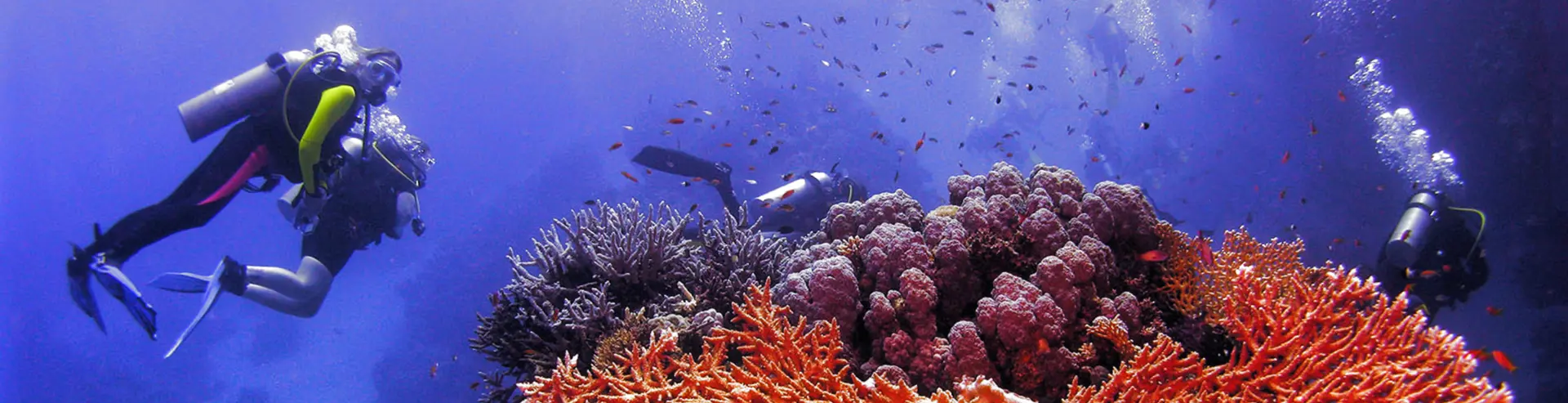
Sharm el-Sheikh beherbergt einige der bekanntesten Tauchplätze der Welt mit kristallklarem Wasser, lebendigen Korallengärten und unvergesslichen Begegnungen mit Meereslebewesen. Ob Du an farbenfrohen Riffen entlang gleitest, an dramatischen Steilwänden vorbei treibst oder ruhige Buchten zum Training erkundest — jeder Platz hat seinen eigenen Zauber.
Bei Sunshine Divers Mary&Klaus passen wir jeden Trip an Dein Erfahrungsniveau und Deine Interessen an — egal ob Erst- oder fünfzigster Tauchgang, Du siehst das Rote Meer von seiner besten Seite.
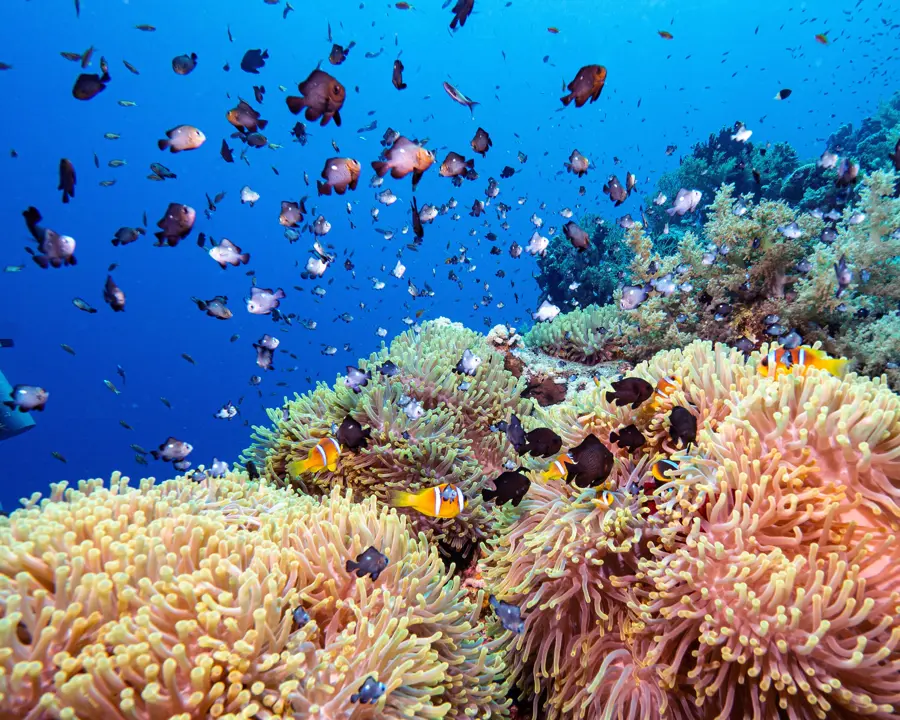
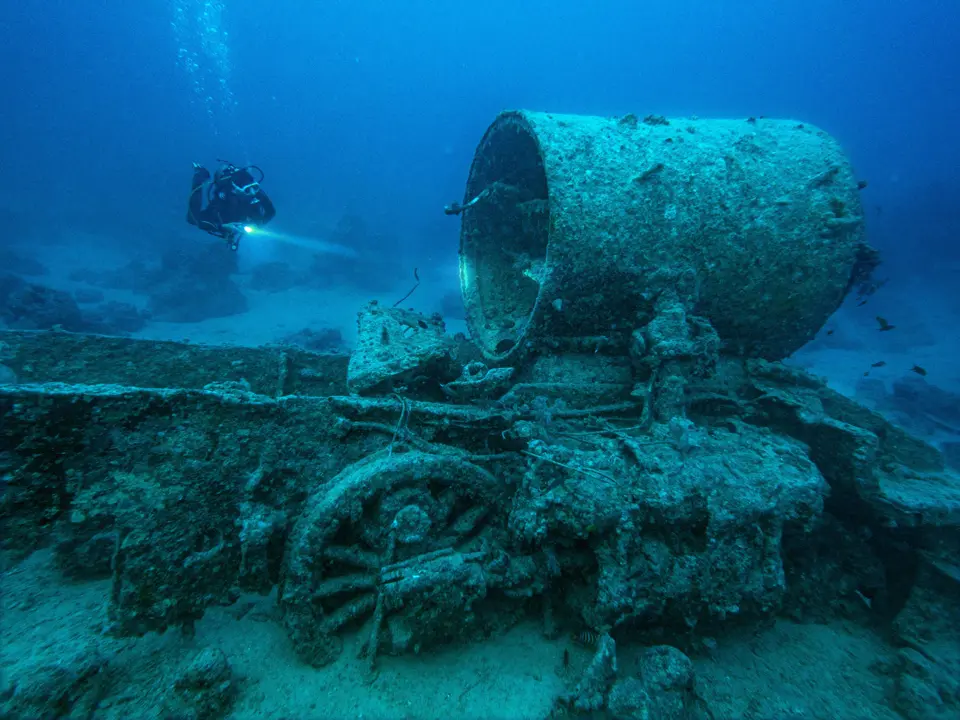
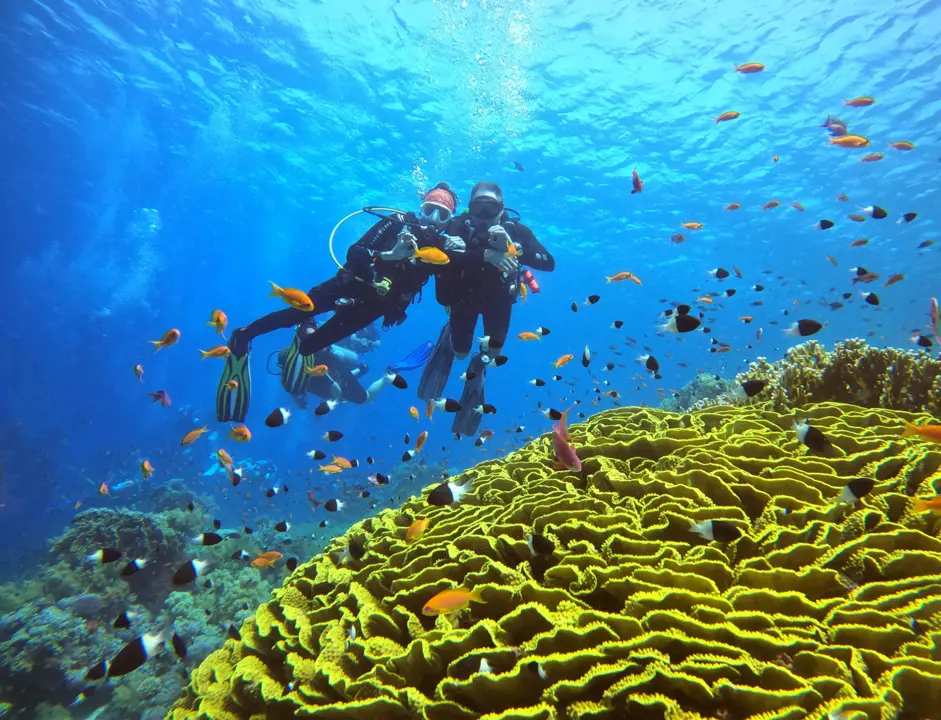
Unsere Lieblings-Tauchplätze in Sharm el-Sheikh
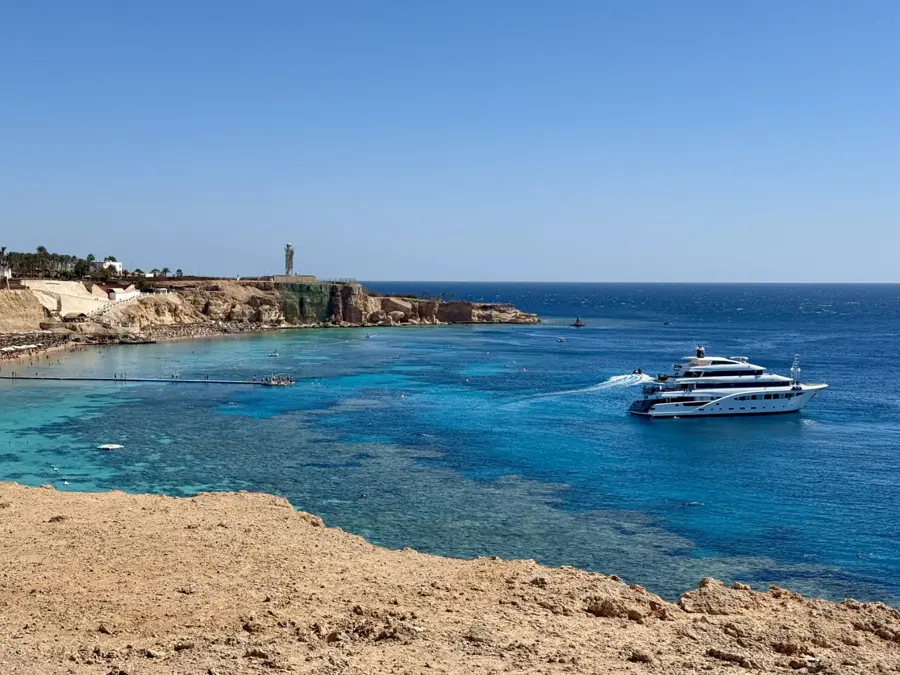
Die lokalen Tauchseiten von Sharm el Sheikh
Sharm el Sheikh ist nicht umsonst eines der beliebtesten Tauchziele der Welt. Direkt vor der Stadt erstreckt sich eine beeindruckende Vielfalt an Tauchplätzen - von sanften Korallenlandschaften und lebendigen Riffen bis hin zu spektakulären Steilwände und faszinierenden Riffstrukturen. Und nicht zu unterschätzen: die meisten Großfisch-Begegnungen fanden an lokalen Tauchplätzen statt.
Die lokalen Tauchplätze rund um Sharm el Sheikh bieten für jeden etwas - egal ob ihr gerade eure ersten Tauchgänge macht oder bereits erfahrene Taucher seid. Das kristallklare Wasser, die ganzjährig angenehmen Wassertemperaturen und die aussergewöhnliche Artenvielfalt machen jeden Tauchgang zu einem Erlebnis.
Schildkröten, Napoleonfische, Rochen, Muränen, bunte Rifffische und gelegentlich auch Haie - hier ist die Unterwasserwelt in ihrer ganzen Pracht zu erleben.
Wir bei Sunshine Divers Mary&Klaus kennen diese Plätze wie unsere Westentasche - und bringen euch genau dorthin, wo es gerade am schönsten ist.
Und hier auf den folgenden Seiten findet ihr alle genau beschrieben:
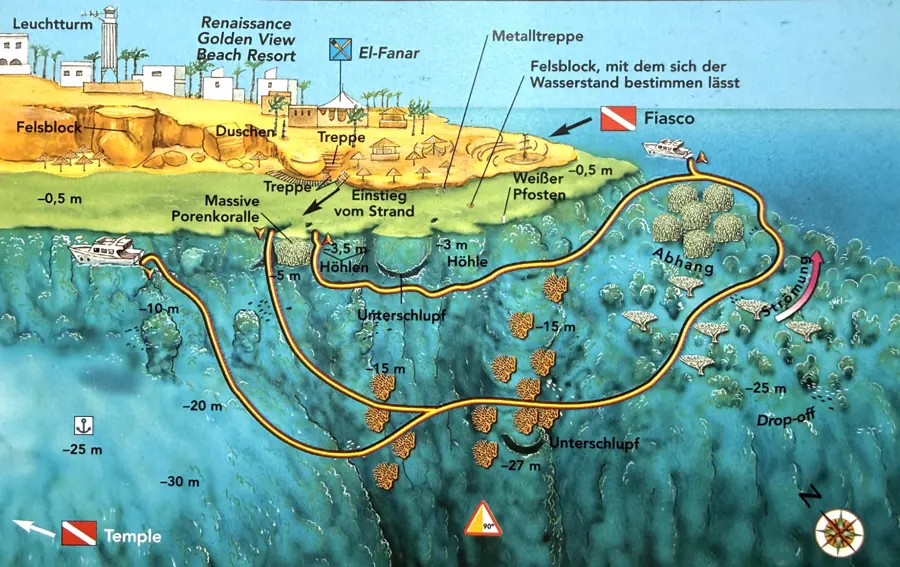
Ras umm Sid – Unser Hausriff, ein Gorgonienwald und viel mehr
Ras um Sid — auf dem gleichnamigen Kap steht der große Leuchtturm, der den westlichen Eingang zur Straße von Tiran markiert. Direkt östlich davon liegt einer der bekanntesten und schönsten Tauchplätze der Region — und gleichzeitig unser Hausriff.
Was Ras um Sid berühmt gemacht hat, ist der Gorgonienwald: eine außergewöhnliche Ansammlung von Fächerkorallen, die hier so dicht und üppig wachsen wie nirgendwo sonst im nördlichen Roten Meer. Wer einmal durch diesen Wald getaucht ist, versteht sofort, warum dieser Platz auf keiner Bucket-List fehlen darf.
Der Tauchgang beginnt an einem mächtigen Block massiver Porenkorallen, umspielt von einem Schwarm Harems-Fahnenbarsche. Es geht hinab auf 20–25 Meter, durch den legendären Gorgonienwald, und dann aufwärts auf ein Sandplateau in 14 Metern Tiefe — umgeben von weichkorallenbesetzten Korallenstücken und hunderten von Rifffischen: Feuerfische, Papageienfische, Napoleons, wohin man auch schaut.
Von Land aus kommende Taucher halten auf dem Rückweg eine Tiefe von 5–6 Metern, das Riff auf der rechten Seite, und erkunden die Spalten und Höhlen — viele davon von leuchtend gelben Fegern bewohnt. Wer vom Boot aus taucht, kann das weite Plateau in Richtung Paradise weitertauchen und sich anschließend wieder aufsammeln lassen.
Und das Beste: Ras um Sid ist der ideale Platz für Check Dives, Kurse und Nachttauchgänge — zugänglich, geschützt und dabei so artenreich, dass er auch für erfahrene Taucher immer wieder neu ist. Wir fahren diesen Spot auch mit unserem Boot an — dann unter dem Namen „Lokal Süd".
Ras Nasrani - Kap der Riesen
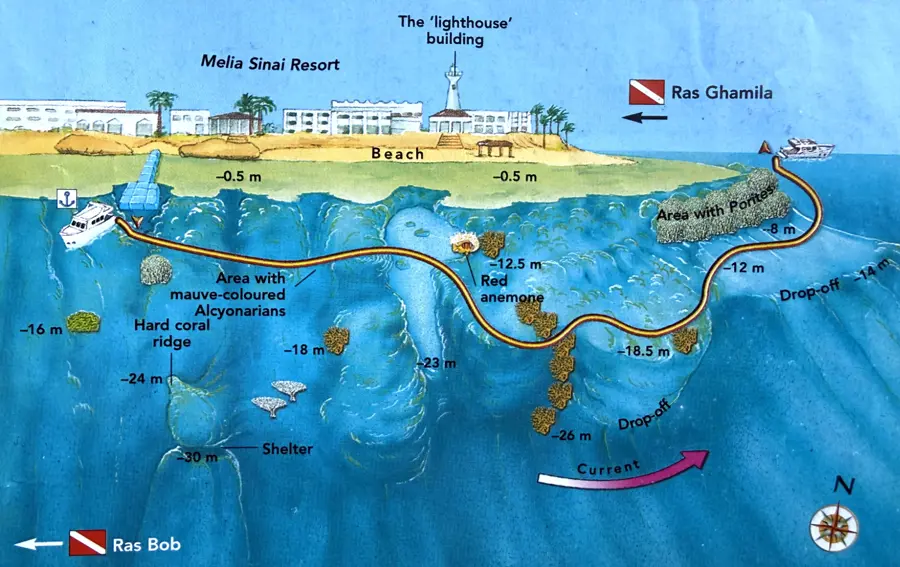
"Ras Nasrani" - auf Arabisch "Kap des Christen" - liegt etwas 10 Kilometer nördlich der Naama Bay, direkt südlich von Ras Ghamila. Der Spot ist einer der wenigen im Raum Sharm el Sheikh, der sich theoretisch auch vom Land aus erreichen lässt: über die Zufahrtsstraße zum Baron Resort oder zum Melton Beach Resort. Der klassische Tauchgang findet aber vom Boot aus statt - als entspannter Drifttauchgang, der euch von der Strömung durch eine der artenreichsten Zonen der Region trägt.
Wir fahren diesen Tauchplatz wächentlich mit dem Boot an, wenn es heisst Local Nord.
Einstieg ist auf Höhe eines schwimmenden Stegs, neben dem ein großer Korallenbrocken über einer Höhle thront, die sich in 30 Metern Tiefe öffnet. Von dort geht es aufwärts in Richtung eines sandigen Bucht. Auf der Nordseite der Bucht, in 12 Metern Tiefe, wartet ein echtes Highlight: eine prächtige rote Anemone - kaum zu übersehen.
Ab hier übernehmen die Korallen das Zepter. Es geht nordwärts, das Riff immer auf der linken Seite, getragen von einer schwachen bis mittleren Strömung, die Richtung Kap spürbar zunimmt. Vorbei an imposanten Gorgonien in 20 Metern Tiefe tauchen riesige Kolonien massiver Porenkorallen auf, die ganze Bänke bilden - und jenseits des Kaps noch dichter werden. An der Spitze selbst kann die Strömung kräftig werden, und wer Glück hat, entdeck Rochen, die genau hier auf Nahrungssuche in der Strömung stehen.
Der Riffabhang führt weiter entlang farbenprächtiger Weichkorallenspalten bis zum steil abfallenden Drop-Off in 30 Metern Tiefe.
Und das. Beste: Ras Nasrani der der Ort im gesamten Roten Meer, um Riesenmuscheln zu beobachten. Nirgendwo sonst im Roten Meer erreichen diese faszinienden Zweischaler eine höhere Dichte als hier. Ihre Mäntel schimmern dank symbiotischer Zooxanthellen in leuchtendem Blau und Grün - und oft sind sie so eng in die Porites-Korallen eingebettet, dass sie wie natürliche Schmuckstücke im Riff wirken.
Ras Ghozlany – Korallenwald am Eingang der Marsa-Bareika-Bucht
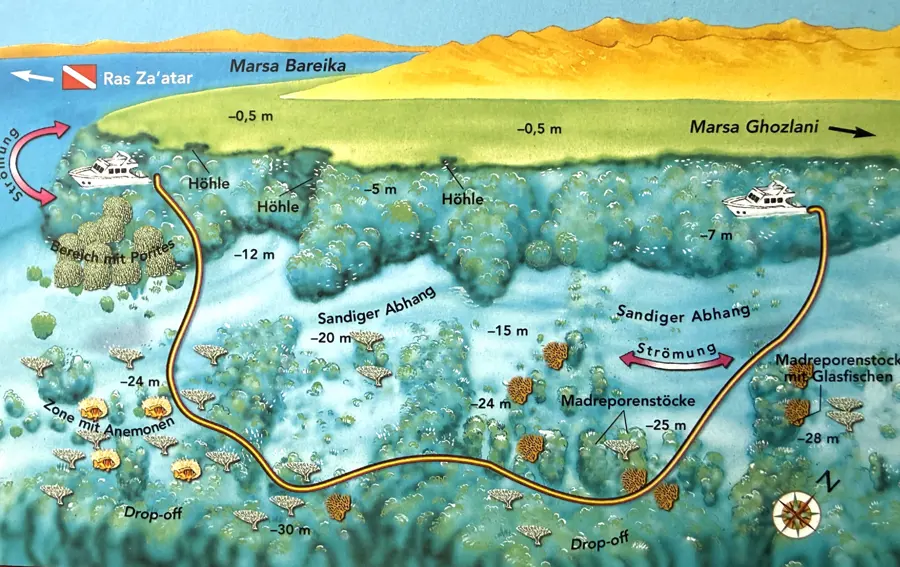
Die tiefe Bucht von Marsa Bareika wird von zwei Tauchplätzen eingerahmt: Ras Ghozlany an ihrer nördlichen Spitze und Ras Za'atar im Süden. Beide sind vom Boot aus erreichbar und bieten bei richtiger Strömung wunderschöne Drifttauchgänge — Ras Ghozlany ist dabei der spektakulärere Einstieg.
Der Tauchgang entfaltet sich entlang eines weitläufigen, sonnendurchfluteten Hangs, der in 6 Metern beginnt und sich sanft bis zum Drop-Off in 25–30 Metern hinabzieht. Entlang der Route erheben sich Korallentürme, dicht überzogen mit roten und rosafarbenen Weichkorallen, umhüllt von dichten Schwärmen leuchtender Fahnenbarsche — ein Bild, das man so schnell nicht vergisst.
Zum Drop-Off hin wird die Landschaft surrealer: Große Tischkorallen und verzweigte Korallenformationen wachsen aus dem sandigen Boden wie Bäume aus einem Waldboden — besonders am Eingang der Bucht entsteht so ein echter Korallenwald, der jeden Taucher in seinen Bann zieht. Fledermausfische, Gelbe Feger und Barsche finden unter den Tischkorallen Schutz, während auf dem Sandboden Blaupunktrochen, Kugelfische und Drückerfische ihrem Alltag nachgehen.
Und das Beste: Bei richtiger Strömung lässt sich Ras Ghozlany wunderbar als Drifttauchgang entlang der nördlichen Buchtspitze genießen — einfach treiben lassen und die Korallenwelt auf sich wirken lassen.
Shark & Yolanda Reef – Sharm el Sheikhs Legende unter Wasser
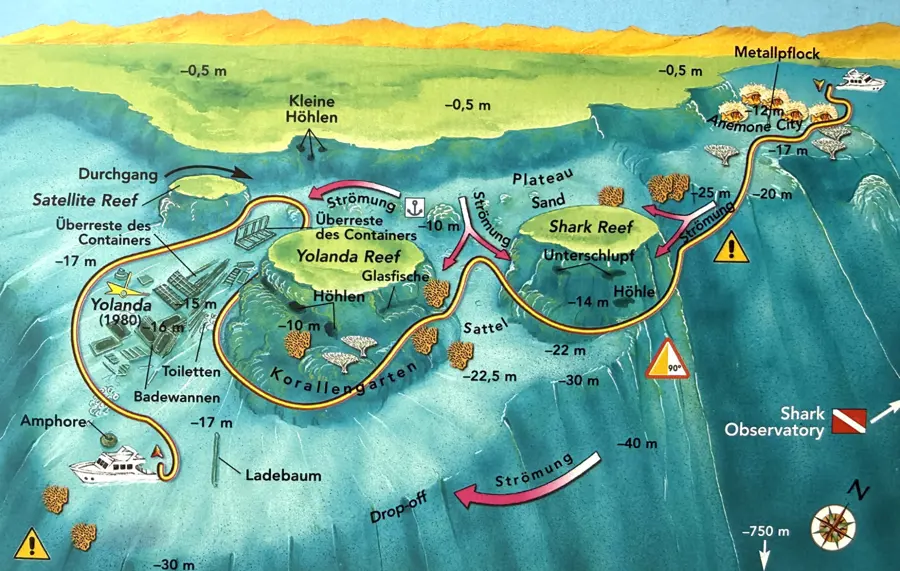
Manche Tauchplätze haben einen guten Ruf. Shark & Yolanda Reef hat eine Legende — und die ist verdient. Dieser Platz gilt nicht nur als der bekannteste und spektakulärste Tauchplatz rund um Sharm el Sheikh, sondern wird in einigen Tauchführern nach wie vor zu den besten der Welt gezählt. Wer hier abtaucht, versteht sofort warum.
Die Unterwasserlandschaft ist außergewöhnlich vielfältig, die Raubfisch- und Rifffauna von einem Reichtum, der selbst erfahrene Taucher immer wieder sprachlos macht. Riesige Barracudaschwärme, dichte Makrelenformationen, Fledermausfische in beeindruckender Zahl — ein Schauspiel, das sich wie ein Zauber entfaltet. Am eindrucksvollsten erlebt man das in den Sommermonaten, wenn der Platz in seiner ganzen Pracht erstrahlt.
Eines sei aber klar gesagt: Shark & Yolanda ist kein Tauchplatz für jeden. Die Strömungen können hier extrem stark werden, und wer dieses Spektakel sicher genießen will, braucht Erfahrung und das nötige Know-how. Wir passen die Route flexibel an — je nach Strömungsrichtung, Stärke und Wetterbedingungen gibt es verschiedene Möglichkeiten, den Platz zu erkunden.
Und das Beste: Die benachbarten Riffe liegen so nah beieinander, dass sich Anemone City und Yolanda Reef problemlos in einem einzigen Tauchgang verbinden lassen. Anemone City — der Name ist Programm. Ganze Kolonien von Seeanemonen und ihren Clownfischen besiedeln in 12 bis 20 Metern Tiefe einen weitläufigen Bereich, der wie ein großer Balkon ins tiefe Blau hinausragt. Bunt, lebendig und absolut bezaubernd.
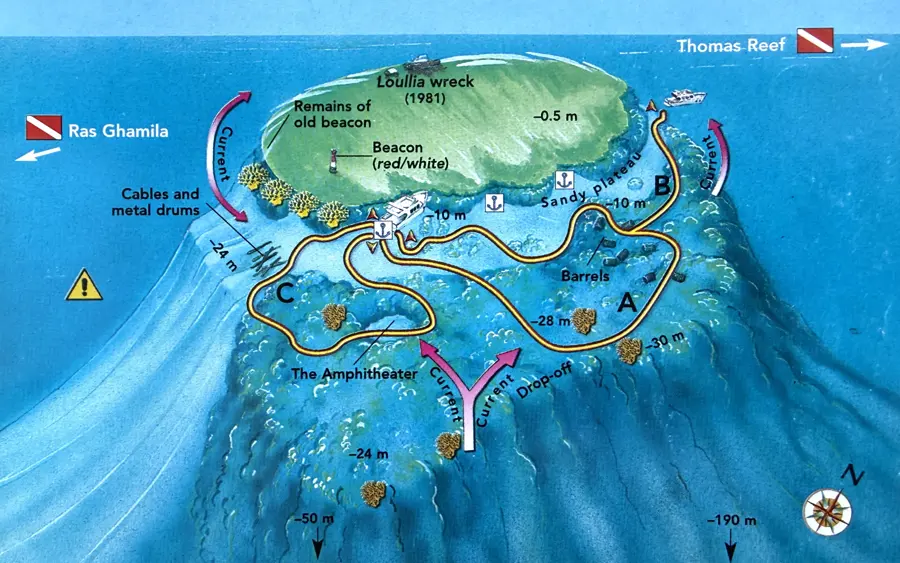
Gordon Reef – Wrack, Amphitheater und der perfekte Einstieg für alle
Gordon Reef ist leicht zu erkennen — schon von oben fällt das Wrack der Loullia ins Auge, ein panamaisches Frachtschiff, das im September 1981 auf die Nordspitze des Riffs aufgelaufen ist. Heute rostet es malerisch vor sich hin und ist längst Teil des Riffs geworden.
Im Vergleich zu seinen Nachbarn ist Gordon Reef angenehm zugänglich: Auf der Südseite gibt es einen festen Mooring, und ein breites, relativ flaches Plateau (10–24 Meter) erstreckt sich in südwestlicher Richtung. Ein rot-weißer Leuchtturm markiert die Südwestecke. Hier habt ihr gleich mehrere Möglichkeiten:
Route 1:
führt vom Mooring aus ostwärts und dann nordwärts entlang der Ostseite. Auf halber Strecke entdeckt ihr in 10–20 Metern Tiefe zahlreiche verstreute Metallfässer — ein kurioses Relikt. Von dort könnt ihr umkehren oder weiter nördlich driften, wo ein kleines Sandplateau wartet, auf dem Röhrenaale leben.
Route 2:
erkundet das weitläufige Plateau in südlicher Richtung. Höhepunkt ist das sogenannte „Amphitheater" — eine sandig gefüllte, kreisförmige Vertiefung, auch als „Shark Pool" bekannt. Vorbei an einem Gewirr aus Kabeln und Metallstangen geht es zurück zum Ausgangspunkt, entweder Richtung Riff oder — für Abenteuerlustigen — als Drifttauchgang entlang der Westseite durch eine Zone mit Feuerkorallen.
Wichtig: An der Südwestecke nahe des Leuchtturms kann die Strömung unerwartet stark werden. Im schlimmsten Fall macht sie die Rückkehr zum Boot sehr schwer oder sogar unmöglich — bitte immer im Blick behalten.
Und das Beste: Gordon Reef eignet sich auch hervorragend zum Schnorcheln! Der windgeschützte Mooring auf der Südseite bietet eine sichere Basis — ideal für alle, die die Unterwasserwelt des Roten Meers zum ersten Mal entdecken möchten.
Alle Tauchplätze rund um Sharm El Sheikh
Sharm el Sheikh ist nicht umsonst eines der beliebtesten Tauchziele der Welt. Direkt vor der Stadt erstreckt sich eine beeindruckende Vielfalt an Tauchplätzen - von sanften Korallenlandschaften und lebendigen Riffen bis hin zu spektakulären Steilwände und faszinierenden Riffstrukturen. Und nicht zu unterschätzen: die meisten Großfisch-Begegnungen fanden an lokalen Tauchplätzen statt.
Die lokalen Tauchplätze rund um Sharm el Sheikh bieten für jeden etwas - egal ob ihr gerade eure ersten Tauchgänge macht oder bereits erfahrene Taucher seid. Das kristallklare Wasser, die ganzjährig angenehmen Wassertemperaturen und die aussergewöhnliche Artenvielfalt machen jeden Tauchgang zu einem Erlebnis.
Schildkröten, Napoleonfische, Rochen, Muränen, bunte Rifffische und gelegentlich auch Haie - hier ist die Unterwasserwelt in ihrer ganzen Pracht zu erleben.
Wir bei Sunshine Divers Mary&Klaus kennen diese Plätze wie unsere Westentasche - und bringen euch genau dorthin, wo es gerade am schönsten ist.
Und hier auf den folgenden Seiten findet ihr alle genau beschrieben:
Nur wenige Hundert Meter westlich von Temple liegt Ras Katy — strukturell ähnlich, aber mit einem entscheidenden Vorteil: Der Platz ist optimal vor den vorherrschenden Winden geschützt, was ihn zu einem zuverlässigen Ruhepol macht, auch wenn anderswo die Bedingungen schwieriger sind.
Der Einstieg erfolgt an einem markanten Korallenturm, der fast bis an die Wasseroberfläche reicht und von kleinwüchsigen Hartkorallen und leuchtenden Himbeerkorallen umkränzt wird. Von dort fällt ein leicht geneigtes Sandplateau von 5 Metern bis zum Drop-Off in 18–20 Metern ab — gesäumt von einigen Gorgonien, die die Kante zieren.
Auf dem Plateau entdeckt man zwei weitere Korallentürme, reich bewachsen mit Weichkorallen und umgeben von Riffbarschen, Brokkoli-Korallen, Falterfischen, Preußenfischen und Füsilieren. In den Wandspalten verstecken sich Glasfische, Rotfeuerfische und Großaugenbarsche. Auf dem sandigen Grund im südlichen Bereich lauern Krokodilsfische und Drachenköpfe — meisterhaft getarnt — sowie Blaupunktrochen, die träge über den Sand gleiten.
Und das Beste: Bei steigender Flut setzt manchmal eine angenehme Strömung ein, die sich wunderbar für einen Drifttauchgang in Richtung Temple nutzen lässt — 400 Meter Riff, ganz ohne Kraftaufwand.
In der Mitte der weitläufigen Bucht zwischen Ras um Sid und Ras Katy, gesäumt von einem hohen fossilen Korallenkliff, liegt Temple — einer der bekanntesten und meistbesuchten Tauchplätze der ganzen Region.
Der Name stammt aus den frühen 1970er Jahren, als die ersten Taucher hier drei mächtige Korallentürme entdeckten, die aus einem sonnendurchfluteten Plateau in 6–30 Metern Tiefe emporragen wie die Säulen eines antiken Tempels. Der Vergleich trifft — und er ist geblieben.
Temple verdankt seine Beliebtheit nicht nur seiner Schönheit, sondern auch seiner Zugänglichkeit: Der Tauchgang ist technisch unkompliziert, wetterunabhängig gut tauchbar, und Boote können problemlos festmachen — ideal für alle Erfahrungsstufen. Ja, der Platz hat über die Jahre etwas unter dem großen Besucherandrang gelitten. Aber wer genau hinschaut, entdeckt noch immer eine bemerkenswerte Vielfalt: Falterfische in zahlreichen Arten, Papageienfische, Rotfeuerfische, dichte Schwärme von Fledermausfischen und der eine oder andere majestätische Napoleonfisch.
Und das Beste: Bevor ihr den Rückweg zu den Türmen antritt, lohnt sich unbedingt ein kurzer Abstecher zum Drop-Off in 30 Metern — dort wartet eine prächtige, einsame Gorgonie, die die meisten Taucher schlicht übersehen. Wer sie findet, hat Temple wirklich gesehen.
Ras um Sid — auf dem gleichnamigen Kap steht der große Leuchtturm, der den westlichen Eingang zur Straße von Tiran markiert. Direkt östlich davon liegt einer der bekanntesten und schönsten Tauchplätze der Region — und gleichzeitig unser Hausriff.
Was Ras um Sid berühmt gemacht hat, ist der Gorgonienwald: eine außergewöhnliche Ansammlung von Fächerkorallen, die hier so dicht und üppig wachsen wie nirgendwo sonst im nördlichen Roten Meer. Wer einmal durch diesen Wald getaucht ist, versteht sofort, warum dieser Platz auf keiner Bucket-List fehlen darf.
Der Tauchgang beginnt an einem mächtigen Block massiver Porenkorallen, umspielt von einem Schwarm Harems-Fahnenbarsche. Es geht hinab auf 20–25 Meter, durch den legendären Gorgonienwald, und dann aufwärts auf ein Sandplateau in 14 Metern Tiefe — umgeben von weichkorallenbesetzten Korallenstücken und hunderten von Rifffischen: Feuerfische, Papageienfische, Napoleons, wohin man auch schaut.
Von Land aus kommende Taucher halten auf dem Rückweg eine Tiefe von 5–6 Metern, das Riff auf der rechten Seite, und erkunden die Spalten und Höhlen — viele davon von leuchtend gelben Fegern bewohnt. Wer vom Boot aus taucht, kann das weite Plateau in Richtung Paradise weitertauchen und sich anschließend wieder aufsammeln lassen.
Und das Beste: Ras um Sid ist der ideale Platz für Check Dives, Kurse und Nachttauchgänge — zugänglich, geschützt und dabei so artenreich, dass er auch für erfahrene Taucher immer wieder neu ist. Wir fahren diesen Spot auch mit unserem Boot an — dann unter dem Namen „Lokal Süd".
Der Name ist keine Übertreibung. Was Paradise von allen anderen Tauchplätzen dieses Küstenabschnitts unterscheidet, ist nicht die Grundstruktur — die ähnelt durchaus den Nachbarplätzen Amphoras und Turtle Bay — sondern das, was auf dem Plateau zwischen Riffabhang und Drop-Off gewachsen ist: Korallenformationen, die aussehen wie Skulpturen.
Rot, rosa, gelb — die Weichkorallen hier setzen Farbtupfer in einer Dichte und Vielfalt, die ihresgleichen sucht. Tischkorallen und Gorgonien ergänzen das Bild auf dem Meeresgrund zu einer Landschaft, die man so kein zweites Mal findet.
Der klassische Tauchgang startet vom Boot aus. Bei geeigneter Strömung geht es südwärts, das Riff zunächst auf der rechten Seite. Am Drop-Off in 24–28 Metern dreht man das Riff auf die linke Seite und gleitet zwischen den Korallenskulpturen hindurch — langsam, denn hier gibt es viel zu sehen.
Und das Beste: Die Tierwelt ist so vielfältig wie die Korallen. Papageienfische und majestätische Napoleonfische ziehen vorbei, Falterfische und Harems-Fahnenbarsche beleben das Riff in Scharen, und im südlichen Bereich verstecken sich Riesenmuränen in den Spalten der Korallenblöcke — wer genau hinschaut, entdeckt sie.
Der Name dieses Tauchplatzes trägt Jahrhunderte in sich: Amphoras erinnert an ein türkisches Handelsschiff aus dem 17. Jahrhundert, das hier mit einer Ladung quecksilbergefüllter Amphoren auf den Grund sank. Das Schiff selbst ist längst verschwunden — aber was es hinterließ, liegt noch heute im Sand.
Der Platz befindet sich südwestlich von Tower und beginnt an einem schlichten, vom Wasser umspülten Betonsteg, ein paar Dutzend Meter südlich des markanten Schwimmstegs. Von dort gleitet man in einen sonnenerfüllten Abhang hinab, der ab etwa 10 Metern beginnt und mit einem bunten Mix aus Korallenformationen und farbenprächtigen Weichkorallen besetzt ist — ein echter Korallengarten, der zum Verweilen einlädt.
In 22 Metern Tiefe stößt man auf eine lange, schwere Kette, die in 25 Metern zu einem modernen Anker hinter einem Korallenblock führt. Weiter nordwärts, das Riff stets auf der linken Seite, passiert man eine Reihe von Korallentürmen. Einer davon wird von einem Schwarm Harems-Fahnenbarsche umtanzt und beherbergt in seinen Spalten dichte Kolonien leuchtend gelber Feger. Etwas weiter erhebt sich eine mächtige Tischkoralle vor zwei großen Korallentürmen — ein natürliches Tor zum eigentlichen Herzstück des Tauchgangs.
Und das Beste: Dahinter, in etwa 24 Metern Tiefe, liegen der originale Ankerstock des versunkenen Schiffes mit noch lesbaren Inschriften sowie Überreste der Amphoren — stille Zeugen einer Reise, die vor über 300 Jahren endete.
Der Name ist Programm: Pinky Wall verdankt seinen Titel der außergewöhnlichen Dichte an rosa Weichkorallen, die die gesamte Steilwand überziehen — ein Anblick, der sich von allen anderen Tauchplätzen der Region deutlich abhebt.
Und das liegt nicht nur an der Farbe. Die Struktur dieses Riffs ist grundlegend anders als anderswo: Ein flaches Vorplateau fehlt hier nahezu vollständig — die Wand fällt direkt und schwindelerregend auf über 180 Meter ab. Senkrecht, dramatisch, beeindruckend.
Man taucht mit dem Riff auf der linken Seite, in einer durchschnittlichen Tiefe von rund 15 Metern — genau dort, wo die Weichkorallen am dichtesten wachsen und die Farben am intensivsten leuchten. Wer in Richtung Nordosten weiterschwimmt, entdeckt bald eine Reihe majestätischer Schluchten, die die vertikale Wand rhythmisch unterbrechen. Sie überlappen sich und ragen wie natürliche Orgelpfeifen aus dem Riff — ein geologisches Kunstwerk.
Entlang der gesamten Route begleiten euch Papageienfische und Lippfische in bunter Vielfalt, dazu verschiedene Barscharten, die zwischen den Korallenspalten ihr Unwesen treiben.
Tower gehört zu den spektakulärsten Tauchplätzen rund um Sharm el-Sheikh — und der Grund dafür liegt buchstäblich unter einem: ein tiefer Canyon, dessen Wände senkrecht auf über 120 Meter abfallen. Kristallklares Wasser, das die Tiefe noch imposanter wirken lässt.
Einstieg ist von der Bucht aus, auf Höhe eines markanten fossilen Korallenblocks — eben jener „Turm", der dem Tauchplatz seinen Namen gab. Mit dem Riff auf der linken Seite taucht man auf 15 Meter hinab und erreicht bald die Kante eines leicht geneigten Sandplateaus, das sich zwischen 12 und 25 Metern Tiefe erstreckt und von einzelnen Korallenstücken belebt wird. Hier spürt man die Weite des Canyons — ein eindrucksvolles Gefühl.
Der Rückweg führt entlang derselben Route, diesmal jedoch in 12–15 Metern Tiefe, um die Spalten des Riffs zu erkunden. Wer genau hinschaut, findet dort eine kleine Höhle mit einer Kolonie leuchtend gelber Feger — ein Farbtupfer, den man so schnell nicht vergisst.
Und das Beste: Bevor ihr auftaucht, lohnt sich unbedingt ein Abstecher zu den zwei großen Höhlen am Canyoneingang, Richtung Strand, in etwa 5 Metern Tiefe. Glasfische wabern in dichten Wolken durch die Eingänge, dazwischen lauern Rotfeuerfische und Großaugen-Soldatenfische im Halbdunkel — ein perfekter Abschluss für einen unvergesslichen Tauchgang.
Sodfa ist einer jener Tauchplätze, die keine große Ankündigung brauchen — sie überzeugen einfach. Vom Boot aus gleitet man in einen Drifttauchgang entlang eines lichtdurchfluteten Hangs, der Riffkante immer in Sichtweite, das Blau des Drop-Offs in 18–25 Metern Tiefe stets verlockend nah.
Das Profil ist sanft genug für Einsteiger, bietet aber erfahrenen Tauchern mit dem Drop-Off und den tieferen Strukturen genug Spielraum. Auf dem sandigen Abhang in etwa 12 Metern Tiefe erheben sich Korallentürme, während entlang der Riffkante prächtige Tischkorallen und Fächerkorallen wachsen. In 20–22 Metern Tiefe säumen Gorgonien den Rand des Drop-Offs — ein ruhiges, elegantes Bild.
Und das Beste: Die Tierwelt macht jeden Tauchgang hier kurzweilig. Füsiliere, Doktorfische, Drückerfische, Fahnenbarsche, Papageienfische und gelegentlich Rotfeuerfische beleben das Riff, während massive Porenkorallen und ausladende Tischkorallen dem Ganzen eine imposante Kulisse geben.
Near Garden ist der der Naama Bay am nächsten gelegene der vier Gärten — und damit oft der erste Tauchplatz, den Gäste kennenlernen. Die Riffwand fällt auf 8–10 Meter ab und geht in einen sanften Hang über, der beim Drop-Off in 18–20 Metern endet. Entlang der Route verteilen sich Korallentürme, die der Unterwasserlandschaft Struktur und Tiefe verleihen.
Zwei Highlights erwarten jeden Taucher — beide in der Tiefe, beide direkt an der Wand, sodass man ihnen ganz natürlich nacheinander begegnet, ohne lange suchen zu müssen. Zunächst: eine prächtige rote Anemone, die leuchtend aus dem Riff hervorsticht. Und kurz dahinter wartet ein Glasfisch-Pinnacle — so dicht besiedelt, dass ein Fotograf den gesamten Tauchgang damit verbringen könnte, ohne auch nur annähernd alle Motive zu erschöpfen.
Und das Beste: Near Garden ist zugänglich, gut strukturiert und dabei alles andere als langweilig — ein perfekter Einstieg in die Gärten der Naama Bay, und ein Platz, zu dem man immer wieder gerne zurückkommt.
Der Name sagt alles: Middle Garden liegt genau im Zentrum der Gartenbucht, zwischen Far Garden und Near Garden, auf Höhe der weitläufigen Anlage des Hyatt Regency. Ein Tauchplatz, der seinem Namen alle Ehre macht — denn hier sieht es tatsächlich aus wie in einem gepflegten Unterwassergarten.
Der Tauchgang beginnt auf einem weitläufigen Sandplateau, das sanft bis zur Riffkante in 5–6 Metern abfällt. Der Drop-Off liegt zwischen 12 und 14 Metern — überschaubar, aber fein. Nach einigen Dutzend Metern verschmälert sich das Plateau und verwandelt sich in eine bezaubernde weiße Sandgasse, gesäumt von Korallen und unterbrochen von massiven Porenkorallen, die wie kleine Türmchen aus dem hellen Sandboden ragen.
Genau diese Korallentürme — mal einzeln, mal in Gruppen, in alle Richtungen verstreut, dazwischen schmale Sandwege wie in einem echten Garten — haben dem Ort seinen Namen gegeben. Es ist eine Unterwasserlandschaft zum Schlendern, nicht zum Hetzen.
Wer noch Luft und Erfahrung hat, kann weiter bis zu den Pinnacles von Fiddle Garden tauchen. Alternativ bietet sich bei einsetzender Ebbe ein Drifttauchgang südwestwärts in Richtung Near Garden an — traumhaft, wenn die Strömung mitspielt.
Und das Beste: Die Tierwelt hier ist abwechslungsreich und verlässlich. Füsilier-Schwärme, Kugelfische, Drückerfische, Preußenfische und Schwalbenschwänze beleben das Riff, während Blaupunktrochen und gefleckte Adlerrochen regelmäßig über den Sandboden gleiten.
Zwischen Middle Garden und Far Garden, in der Gartenbucht nördlich der Naama Bay, liegt Fiddle Garden — ein Tauchplatz mit klarer Dramaturgie und einem ganz besonderen Höhepunkt.
Der Tauchgang gliedert sich in drei Abschnitte: Eine Wand in 6–8 Metern eröffnet das Spektakel, ein sanft abfallender Sandhang führt zum Drop-Off bei 18 Metern, und drei Korallentürme in einer Reihe markieren den Umkehrpunkt. Übersichtlich, gut zu lesen — und doch steckt der Teufel im Detail.
Das eigentliche Herzstück liegt zwischen 10 und 16 Metern: ein Korallenpinnacle, dicht besiedelt von Glasfischen — und noch dichter von Putzerlippfischen, die hier zuverlässig Dienst tun. Wer sich traut, den Atemregler herauszunehmen und den Mund zu öffnen, wird von den kleinen Helfern prompt von Zahnstein und Speiseresten befreit. Diese Putzstation ist so verlässlich aktiv, dass sie es sogar in eine britische Kindernaturschutzsendung geschafft hat — mit einer Mutprobe der besonderen Art: „Lass dir die Zähne unter Wasser putzen."
Und das Beste: Der Pinnacle ist bei jedem Tauchgang gleich besetzt, das Reinigungsprogramm läuft auf Abruf. Wer sich darauf einlässt, hat eine Geschichte zu erzählen.
Nördlich der Naama Bay reihen sich vier berühmte Tauchplätze aneinander, die zusammen als „The Gardens" bekannt sind: Near Garden, Middle Garden, Fiddle und ganz außen — Far Garden. Wie der Name schon sagt, liegt er am weitesten von der Bucht entfernt, und genau das macht ihn besonders: Das Wasser ist etwas klarer, die Korallenwelt etwas unberührter, die Begegnungen mit Pelagischen etwas wahrscheinlicher.
Schon die Anfahrt verrät den Einstiegspunkt: Zwei mächtige Korallentürme ragen fast bis an die Oberfläche — so markant, dass kein GPS der Welt nötig ist, um sie zu finden. Man lässt sich langsam hinabgleiten und nimmt sich Zeit. Wer genau hinschaut, entdeckt Schleimfische, die neugierig aus ihren Höhlen lugen — kleine Charaktere, die nur denjenigen zeigen, die wirklich innehalten.
Jenseits der Türme entfaltet sich die eigentliche Struktur von Far Garden: ein Plateau zwischen Riffkante und steil abfallendem Drop-Off, dessen Neigung nach Osten hin zunimmt. Zwischen Riffplatte und Abgrund sind weitere kleinere Korallentürme verteilt — eine dreidimensionale Unterwasserlandschaft, die zum Stöbern einlädt.
Und das Beste: Far Garden lässt sich sowohl als Rundtauchgang als auch als Drifttauchgang erkunden — je nach Strömung und Laune. Beides lohnt sich.
White Knight ist eine kleine, von einem üppig bewachsenen Riff umrahmte Bucht mit einer markanten Einbuchtung, die sich über ein Sandplateau zwischen 6 und 18 Metern Tiefe erstreckt. Nahe einer Röhrenaals-Kolonie befindet sich der feste Mooring — ein ruhiger, geschützter Ausgangspunkt für einen Tauchgang voller Überraschungen.
Im südwestlichen Teil der Bucht öffnet sich ab 8 Metern Tiefe ein wunderschöner Canyon mit sandigem Grund, der sich bis auf 38 Meter hinabzieht. Die östliche Canyonwand wird von zwei großen Korallenstöcken flankiert, auf denen eine prächtige Tischkoralle und eine Salatkoralle thronen. Seitlich des Canyoneingangs beginnt ein schmaler Gang auf 10 Metern, der sich in 13 Metern Tiefe in den Canyon einmündet — wer ihn entdeckt, fühlt sich wie ein Entdecker.
Tiefer geht es weiter: Auf 19 Metern markiert ein altes Metallfass den Eingang einer ersten Höhle. Auf der gegenüberliegenden Seite öffnet sich in 21 Metern eine zweite. Und das Beste: In 27 Metern Tiefe wartet auf einem Überhang ein kleiner „Balkon" — mit einem echten Sandfall, der lautlos in die Tiefe rieselt. Links vom Balkon führt der Eingang in eine dritte Höhle mit einem erstaunlich steilen Aufstieg.
Vom Balkon aus hat man die Wahl: nordwärts zurück zum Ausgangspunkt, oder südwestwärts weiter — dorthin, wo einst das Tauchboot Noose One lag, das 1996 nach einem Brand sank und 2004 den Hang hinabglitt. Heute sind nur noch vereinzelte Metallteile, Pressluftflaschen und Motorenreste zu sehen — als Wrack ist es nicht mehr der Rede wert, aber als Teil der Geschichte dieses Tauchplatzes hat es seinen Platz.
"Ras Bob" sucht man auf keiner Seekarte - selbst viele Einheimische kennen den Namen nicht. Er wurde von einer Gruppe Sharm el Sheikher Tauchlehrer erfunden, zu Ehren des bekannten Unterwasserkameramannes Bob Johnson, der viele Jahre in dieser Zone bearbeitet hat. Offiziell ist Ras bob der südliche Teil von Ras Nasrani - inoffiziell ist er einer der entspanntesten und zugänglichsten Tauchplätze der Region.
Kein Wellengang, kein Wind, gewöhnlich nur leichte Strömungen: Ras Bob ist genau das Richtige, wenn man einen ruhigen Tauchgang ohne große Überraschungen sucht. Das Boot macht an einer Shamandura in 20 Metern Tiefe test. Von doert geht es in 15.20 Metern Tiefe nordostwärts den RIffabhang entlang bis zum Umkehrpunkt - auf dem Rückweg schlängelt man scih entlang der schmalen Riffkante.
Und das Beste: Die Riffkante ist gespickt mit kleinen Buchten, deren heller Sandboden zwischen 3 und 6 Metern Tiefe von Spalten und Höhlen durchzogen wird. Wer genau hinschaut, entdeck Blaupunktrochen, die träge auf dem Sand ruhen, und Teppich-Krokodilfische, die meisterhaft getarnt auf Beute warten. Der interessanteste Bereich liegt zwischen 4 unde 12 Metern - ideal auch für weniger erfahrene Taucher.
Wir fahren diese Gegend mit unserem Boot, der "My Sunshine", einmal die Woche an, wenn es heisst: Local Nord.
Auch Schnorchler kommen hier voll auf ihre Kosten: Östlich und westlich des Shamandura-Platzes lässt sich das RIff mit seiner beeindruckenden Vielfalt an Hart- und Weichkorallen in aller Ruhe erkunden.
"Ras Nasrani" - auf Arabisch "Kap des Christen" - liegt etwas 10 Kilometer nördlich der Naama Bay, direkt südlich von Ras Ghamila. Der Spot ist einer der wenigen im Raum Sharm el Sheikh, der sich theoretisch auch vom Land aus erreichen lässt: über die Zufahrtsstraße zum Baron Resort oder zum Melton Beach Resort. Der klassische Tauchgang findet aber vom Boot aus statt - als entspannter Drifttauchgang, der euch von der Strömung durch eine der artenreichsten Zonen der Region trägt.
Wir fahren diesen Tauchplatz wächentlich mit dem Boot an, wenn es heisst Local Nord.
Einstieg ist auf Höhe eines schwimmenden Stegs, neben dem ein großer Korallenbrocken über einer Höhle thront, die sich in 30 Metern Tiefe öffnet. Von dort geht es aufwärts in Richtung eines sandigen Bucht. Auf der Nordseite der Bucht, in 12 Metern Tiefe, wartet ein echtes Highlight: eine prächtige rote Anemone - kaum zu übersehen.
Ab hier übernehmen die Korallen das Zepter. Es geht nordwärts, das Riff immer auf der linken Seite, getragen von einer schwachen bis mittleren Strömung, die Richtung Kap spürbar zunimmt. Vorbei an imposanten Gorgonien in 20 Metern Tiefe tauchen riesige Kolonien massiver Porenkorallen auf, die ganze Bänke bilden - und jenseits des Kaps noch dichter werden. An der Spitze selbst kann die Strömung kräftig werden, und wer Glück hat, entdeck Rochen, die genau hier auf Nahrungssuche in der Strömung stehen.
Der Riffabhang führt weiter entlang farbenprächtiger Weichkorallenspalten bis zum steil abfallenden Drop-Off in 30 Metern Tiefe.
Und das. Beste: Ras Nasrani der der Ort im gesamten Roten Meer, um Riesenmuscheln zu beobachten. Nirgendwo sonst im Roten Meer erreichen diese faszinienden Zweischaler eine höhere Dichte als hier. Ihre Mäntel schimmern dank symbiotischer Zooxanthellen in leuchtendem Blau und Grün - und oft sind sie so eng in die Porites-Korallen eingebettet, dass sie wie natürliche Schmuckstücke im Riff wirken.
„Ras Ghamila" bedeutet auf Arabisch schlicht „Schöne Kap" — und der Name ist Programm. Offiziell taucht er auf keiner Karte auf, aber unter Tauchern ist er fest etabliert: Er bezeichnet die Riffzunge, die ostwärts ins Meer ragt und den grünen Leuchtturm trägt, der das westliche Ende der Straße von Tiran markiert. Alle Schiffe, die von den Häfen Aqabas und Eilats ins Rote Meer fahren, müssen genau hier durch — zwischen diesem grünen Leuchtturm und dem rot-weißen Leuchtturm auf Gordon Reef.
Das Riff selbst trennt eine weitläufige, flache Sandlagune vom offenen Meer. Und genau das macht den Tauchgang so besonders.
Ras Ghamila ist ein wunderbarer Strömungstauchgang — anspruchsvoll genug, um spannend zu sein, aber nicht so schwierig, dass er Einsteigern vorbehalten bleibt. Der klassische Ablauf — besonders bei steigender Flut — beginnt kurz hinter den letzten Hotelgebäuden von Montazah. Von dort gleitet ihr auf ein weitläufiges Sandplateau mit leichtem Gefälle, haltet eine Tiefe von etwa 15 Metern und treibt gemächlich nordwärts, parallel zur Riffkante, auf Höhe des Leuchtturms.
Und das Beste: Am sanften Riffabhang, der auf durchschnittlich 8 Meter ansteigt, wachsen großartige Porites-Korallen in beeindruckender Größe. Riesige Drückerfische ziehen vorbei, während auf dem Plateau ausgedehnte Tischkorallen stehen — umspielt von Schwärmen pelagischer Fische. Ein entspannter, bildschöner Tauchgang, der das Beste des Roten Meers in einem zeigt.
Die Million Hope ist ein beeindruckendes Massengutschiff von 174 Metern Länge, das im Juni 1996 auf dem Weg von Jordanien nach Taiwan auf dem Riff nördlich von Sharm el Sheikh aufgelaufen und gesunken ist. Alle 25 Besatzungsmitglieder wurden gerettet. Vor dem Sinken wurde die gesamte Ladung aus Phosphat und Kali erfolgreich geborgen, sodass keine nennenswerten Umweltschäden entstanden.
Das Wrack liegt aufrecht auf dem Meeresgrund in 21–24 Metern Tiefe, mit leichter Schlagseite nach Backbord. Die Kräne und Teile des Aufbaus ragen noch heute aus dem Wasser, das Hauptdeck liegt in nur 4–5 Metern Tiefe und die Deckkante auf Backbordseite bereits bei etwa 6 Metern. Ein faszinierender Tauchgang führt euch entlang der gesamten Schiffslänge – von der massiven Schraube am Heck bis zur Aufprallzone am Bug.
Wer möchte, kann durch eine Öffnung in der Bordwand in einen der riesigen, leeren Laderäume einsteigen – ein einzigartiges Erlebnis, das sich anfühlt wie Tauchen in einem riesigen Salzwasserpool. Über das Hauptdeck gelangt man zudem in den Maschinenraum und weitere Bereiche des Schiffsinneren.
Tiefenprofil: 4–5 m (Hauptdeck) | 6 m (Deckkante Backbord) | 21–24 m (Meeresgrund)
Der Name klingt aufregend — die Realität ist charmant anders. Sharks Bay, die „Bucht der Haie", wird nicht von Haien, sondern von Strandbesuchern bevölkert, die der lange Sandstrand und das ruhige Wasser anlocken. Der Name geht vermutlich auf die einheimischen Fischer zurück, die hier einst ihren Haifang ausloteten — heute ist davon nichts mehr zu spüren.
Der nördliche Teil der Bucht gehört zum Sharks Bay Resort mit eigenem Tauchcenter, Supermarkt und Restaurants. Im südlichen Bereich lässt sich bei genauerem Hinschauen die Silhouette eines alten Segelboots ausmachen, das vor Jahren auf dem Riff gestrandet und seitdem von den ägyptischen Behörden beschlagnahmt wurde — ein stilles Relikt inmitten des Alltags.
Ein Hinweis für die Zukunft: In den kommenden Jahren soll in der Sharks Bay ein künstlicher Yachthafen entstehen. Das gesamte Wadi wird bereits seit Jahren ausgehoben, um eine künstliche Lagune mit Luxusapartments zu schaffen. Auch eine Meerwasserentsalzungsanlage ist geplant — was die Sichtverhältnisse im flachen Riffbereich nicht unbedingt verbessern dürfte. Was aus dem Tauchplatz wird, wenn das Projekt abgeschlossen ist, bleibt abzuwarten.
Bis dahin lässt sich Sharks Bay noch entspannt von einem kleinen Steg aus erkunden. Die klassische Route führt über weitläufige Korallenformationen entlang des sonnendurchfluteten Meeresbodens, bevor man auf den tiefen Canyon an der Südwestseite der Bucht zusteuert. Dem Canyonverlauf folgt man bis auf 30 Meter, steigt dann auf 18 Meter auf und erkundet ein lichtdurchflutetes Plateau samt Riffhang — mit einer bemerkenswerten Vielfalt aus Hart- und Weichkorallen.
Die Südspitze der Sinai-Halbinsel ist ein ganz besonderer Ort – und das nicht nur über Wasser. Seit 1983 steht das Gebiet unter Schutz: Der Ras Mohammed Nationalpark umfasst rund 480 km² und gilt als eines der bedeutendsten Meeresschutzgebiete weltweit. Jahrzehntelange konsequente Schutzmaßnahmen haben dazu beigetragen, dass die Unterwasserwelt hier in einer Dichte und Vielfalt erhalten geblieben ist, die anderswo kaum noch zu finden ist.
Nur eine kurze Bootsfahrt von Sharm el Sheikh entfernt – mit unserer „My Sunshine" sind wir schnell dort – erwartet euch eine Unterwasserwelt der Superlative: dichte Hart- und Weichkorallen, riesige Fischschwärme, Steilwände die senkrecht auf 750 Meter abfallen, und eine Artenvielfalt, die bei jedem Tauchgang für neue Überraschungen sorgt. Kein Tag ist hier wie der andere.
Die Tauchplätze
Shark und Yolanda Reef sind die absoluten Highlights und regelmäßig auf den weltweiten Top-Ten-Listen zu finden. Daneben bietet der Park weitere fantastische Spots: Jackfish Alley, Anemone City, Eel Garden, Shark Observatory, Ras Ghozlani und Ras Za'atar – jeder mit seinem ganz eigenen Charakter und seinen ganz eigenen Bewohnern.
Wichtige Hinweise
Für Tauchgänge im Ras Mohammed Nationalpark empfehlen wir mindestens 20 geloggte Tauchgänge sowie einen Advanced Open Water Diver Schein oder gleichwertig. Die Steilwände fallen auf bis zu 750 Meter ab – Nitrox ist empfehlenswert, um die Nullzeitgrenzen in der Tiefe zu verlängern. Wie immer gilt: Wir besprechen alles ausführlich im Briefing, bevor es ins Wasser geht.
Die tiefe Bucht von Marsa Bareika wird von zwei Tauchplätzen eingerahmt: Ras Ghozlany an ihrer nördlichen Spitze und Ras Za'atar im Süden. Beide sind vom Boot aus erreichbar und bieten bei richtiger Strömung wunderschöne Drifttauchgänge — Ras Ghozlany ist dabei der spektakulärere Einstieg.
Der Tauchgang entfaltet sich entlang eines weitläufigen, sonnendurchfluteten Hangs, der in 6 Metern beginnt und sich sanft bis zum Drop-Off in 25–30 Metern hinabzieht. Entlang der Route erheben sich Korallentürme, dicht überzogen mit roten und rosafarbenen Weichkorallen, umhüllt von dichten Schwärmen leuchtender Fahnenbarsche — ein Bild, das man so schnell nicht vergisst.
Zum Drop-Off hin wird die Landschaft surrealer: Große Tischkorallen und verzweigte Korallenformationen wachsen aus dem sandigen Boden wie Bäume aus einem Waldboden — besonders am Eingang der Bucht entsteht so ein echter Korallenwald, der jeden Taucher in seinen Bann zieht. Fledermausfische, Gelbe Feger und Barsche finden unter den Tischkorallen Schutz, während auf dem Sandboden Blaupunktrochen, Kugelfische und Drückerfische ihrem Alltag nachgehen.
Und das Beste: Bei richtiger Strömung lässt sich Ras Ghozlany wunderbar als Drifttauchgang entlang der nördlichen Buchtspitze genießen — einfach treiben lassen und die Korallenwelt auf sich wirken lassen.
Ras Za'atar markiert die felsige Südspitze der tiefen Bucht von Marsa Bareika — und ist ein Tauchplatz, der seine besten Karten erst kurz vor dem Kap ausspielt. Je nach Strömung lässt er sich in beide Richtungen als Drifttauchgang genießen, doch der klassische Weg führt nordostwärts mit dem Riff auf der linken Seite.
Der Einstieg ist entscheidend: Da das Herzstück des Tauchgangs direkt am Kap liegt, beginnt man am besten nach dem großen Spalt im Riff — vom Boot aus gut zu erkennen. Von dort windet sich der Tauchgang durch ein Gebiet mit ausladenden Tischkorallen und entlang einer farbenprächtigen Steilwand, dekoriert mit Weichkorallen, Fächerkorallen und in die Wand eingewachsenen Schwarzkorallen.
Auf 10–15 Metern lohnt sich ein Aufstieg ganz besonders: Hier beginnen die spektakulären Kamine — senkrechte Spalten, die sich bis zur Oberkante des Riffs ziehen. Durch sie bricht das Sonnenlicht und taucht das Innere in dramatische Lichtstrahlen — ein fotografisches und visuelles Erlebnis der besonderen Art.
Und das Beste: Hat man das Kap umrundet, öffnet sich die Bucht von Marsa Bareika mit einem sonnigen Hang voller aufstrebender Korallenformationen — ein echter Korallengarten. Darüber, im offenen Blau, ziehen Makrelen, Barracudas und gelegentlich sogar Thunfische ihre Bahnen auf der Jagd nach Beute.
Der Name sagt alles — und hält, was er verspricht. Jackfish Alley, die „Makrelenallee", verdankt ihren Titel einer breiten Sandstraße, die sich zwischen dem küstennahen Riffabhang und einem parallel verlaufenden Satellitenriff aufspannt. Genau hier treiben sich Makrelen und andere Raubfische mit Vorliebe herum. Der Platz liegt südlich von Ras Za'atar und wird als Drifttauchgang getaucht.
Einstieg ist auf Höhe eines weißen Flecks am Kliff — gut zu erkennen vom Boot. Nach dem Abtauchen auf 6 Meter öffnet sich sofort der weitläufige Eingang der ersten Grotte, die sich rund 40 Meter ins Riff hineinzieht. Der Ausgang liegt auf der linken Seite in 9 Metern Tiefe — ein natürlicher Tunnel, der den Tauchgang von Beginn an unvergesslich macht.
Weiter südwestwärts, das Riff auf der rechten Seite, erreicht man einen großen Korallenstock. Dahinter öffnet sich in 14 Metern Tiefe eine zweite Grotte, diesmal steil aufwärts verlaufend, mit einem weiten Ausgang in 6 Metern. Eine sonnige Bucht führt weiter zu einem zweiten Korallenstock in 11 Metern, von wo es durch eine korallenreiche Zone bis zum Beginn der namensgebenden Sandallee in 18–20 Metern geht — breit, hell, beeindruckend.
Und das Beste: Mit erfahrenen Tauchern geht es oft noch ein Stück weiter hinaus zum Satellitenriff, wo sich ein tiefer Canyon öffnet. Hier haben wir schon riesige Makrelenschwärme erlebt, Blaue Drücker in großen Gruppen, und wer Glück hat, begegnet Weißspitzen-Riffhaien oder sogar Manta- und Adlerrochen — Begegnungen, die man so schnell nicht vergisst.
Zwischen Jackfish Alley und Shark Observatory liegt ein Tauchplatz, der auf den ersten Blick unscheinbar wirkt — und auf den zweiten Blick unvergesslich ist.
Entlang der Küste des Sinai erstreckt sich eine beeindruckende fossile Steilküste, die zwischen Ras Mohamed und Ras Za'atar kaum Unterbrechungen kennt. Bei Eel Garden öffnet sie sich: Ein natürlicher Durchgang entsteht, wo die Küste an Höhe verliert. Strömungen spielen hier keine große Rolle — allerdings bringt der offene Charakter des Platzes Wind und Wellen mit.
Der Tauchgang selbst ist angenehm und unkompliziert. Er führt entlang eines Sandplateaus auf der Südseite, das sich leicht nach Osten neigt und dabei eine faszinierende Begegnung bereithält: Im mittleren Bereich des Plateaus öffnet sich eine kleine Höhle, aus der Sand in einer elegant ausgebreiteten V-Form nach außen strömt — ein stilles, aber beeindruckendes Naturschauspiel.
Und das Beste: Genau hier lebt eine wunderschöne Kolonie von Rotmeer-Röhrenaalen. Diese bezaubernden Tiere sind endemisch im Roten Meer — sie kommen nirgendwo sonst auf der Welt vor — und können bis zu 80 cm lang werden. Etwa zwei Drittel ihres Körpers ragen aus dem Sand heraus, während sie sich sanft in der Strömung wiegen und nach Plankton Ausschau halten. Ihre Röhren sind mit einem körpereigenen Sekret gefestigt, das eine Drüse nahe des Schwanzes absondert — ein kleines biochemisches Wunder, das ihnen ihr Zuhause sichert.
Diese Tiere sind scheu. Nähert man sich zu schnell oder zu nah, verschwinden sie blitzartig im Sand. Wer sie in ihrer ganzen Eleganz erleben möchte, muss ruhig bleiben, langsam vorgehen — und einfach staunen. Eel Garden ist der Ort, an dem das gelingt.
Shark Observatory ist zweierlei in einem: der bekannteste Aussichtspunkt auf der Spitze des Ras Mohamed Kaps — und gleichzeitig einer der aufregendsten Tauchplätze der gesamten Halbinsel.
Der Tauchgang entlang der Steilwand spricht für sich. Die Wand fällt in Tiefen ab, die das Auge kaum fassen kann, und präsentiert dabei eine Unterwasserlandschaft von atemberaubender Weite. Große Raubfische ziehen ihre Runden, echte Karettschildkröten lassen sich treiben — und wer wirklich Glück hat, begegnet einem Walhai oder Tigerhai. Sichtungen gibt es, auch wenn sie selten sind. Man hält einfach die Augen offen.
An der südlichen Ecke knickt die Wand nach Westen ab, Richtung des kleinen Strandes unterhalb des Aussichtspunktes. Genau hier wird es besonders schön: Hicksons Riesenfächer in beeindruckender Größe prägen das Bild, und weiter oben wartet ein majestätischer Überhang — einer jener stillen Orte, an denen man einfach hängen bleiben möchte.
Und das Beste: Folgt man der Wand weiter, öffnet sich eine wunderschöne Höhle. Durch eine große Öffnung im Dach fällt das Licht schräg ins Innere und taucht die Höhle in ein Spiel aus Licht und Schatten, das man so schnell nicht vergisst.
Es gibt Tauchplätze, die man einmal sieht und nie vergisst. Anemone City ist so einer. Hunderte von Seeanemonen bedecken das weitläufige Korallenplateau wie ein lebendiger, farbenfroher Teppich — ihre Tentakel wiegen sich sanft im Strom, und mittendrin: unzählige Clownfische, die geschäftig ihre Reviere verteidigen und dem ganzen Treiben eine fast komische Energie verleihen.
Der Abstieg eröffnet sofort ein Panorama, das die Sinne überfordert — auf die schönste Art. Mächtige Tischkorallen, dichte Korallengärten, und an den Rändern des Plateaus brechen die Abbruchkanten dramatisch ins tiefe Blau ab. Das Gefühl, schwerelos über dem Riff zu schweben, während sich die Weite des Roten Meeres unter einem öffnet, ist eines dieser Momente, für die man taucht.
Anemone City dient häufig als Startpunkt für den Drifttauchgang Richtung Shark Reef — und dieser Übergang ist für sich allein schon ein Erlebnis. Die Anemonenfelder bleiben zurück, das offene Blau nimmt einen auf, und dann: aus der Tiefe taucht die gewaltige Wand von Shark Reef auf. Ein Anblick, der selbst nach dem zehnten Mal noch die Sprache verschlägt.
Und das Beste: Clownfische sind hier nur der Anfang. Barrakudas, Makrelen, Schildkröten, Adlerrochen — und wer wirklich Glück hat, auch Haie. Anemone City zeigt das Rote Meer in seiner buntesten, lebendigsten Form. Ein Tauchplatz, der bei jedem Besuch etwas Neues bereithält.
Manche Tauchplätze haben einen guten Ruf. Shark & Yolanda Reef hat eine Legende — und die ist verdient. Dieser Platz gilt nicht nur als der bekannteste und spektakulärste Tauchplatz rund um Sharm el Sheikh, sondern wird in einigen Tauchführern nach wie vor zu den besten der Welt gezählt. Wer hier abtaucht, versteht sofort warum.
Die Unterwasserlandschaft ist außergewöhnlich vielfältig, die Raubfisch- und Rifffauna von einem Reichtum, der selbst erfahrene Taucher immer wieder sprachlos macht. Riesige Barracudaschwärme, dichte Makrelenformationen, Fledermausfische in beeindruckender Zahl — ein Schauspiel, das sich wie ein Zauber entfaltet. Am eindrucksvollsten erlebt man das in den Sommermonaten, wenn der Platz in seiner ganzen Pracht erstrahlt.
Eines sei aber klar gesagt: Shark & Yolanda ist kein Tauchplatz für jeden. Die Strömungen können hier extrem stark werden, und wer dieses Spektakel sicher genießen will, braucht Erfahrung und das nötige Know-how. Wir passen die Route flexibel an — je nach Strömungsrichtung, Stärke und Wetterbedingungen gibt es verschiedene Möglichkeiten, den Platz zu erkunden.
Und das Beste: Die benachbarten Riffe liegen so nah beieinander, dass sich Anemone City und Yolanda Reef problemlos in einem einzigen Tauchgang verbinden lassen. Anemone City — der Name ist Programm. Ganze Kolonien von Seeanemonen und ihren Clownfischen besiedeln in 12 bis 20 Metern Tiefe einen weitläufigen Bereich, der wie ein großer Balkon ins tiefe Blau hinausragt. Bunt, lebendig und absolut bezaubernd.
Drei Seemeilen westlich von Ras Mohamed, in ost-westlicher Ausrichtung über etwa 1,5 Meilen, erstreckt sich eine Reihe von Korallenformationen, die eine weite, sonnige Lagune einrahmen — im Schnitt rund 10 Meter tief, lichtdurchflutet und geschützt. Genau das war die Idee: Der Name „Alternatives" stammt von den Tauchern der Geräte Tower, die diesen Platz als sichere Option für schlechte Bedingungen auf hoher See entdeckten. Ein Ausweichplatz — so die ursprüngliche Idee.
Der klassische Tauchgang führt um die beiden mittleren Korallenstöcke herum, in deren Nähe sich auch der Ankerplatz befindet. Die Lage bringt allerdings eine gewisse Abhängigkeit von den Gezeiten mit sich: Bei Südströmung leidet die Sicht oft spürbar, besonders wenn Wind und Wellen dazukommen.
Und das Beste: Wenn die Bedingungen passen — Nordströmung oder Flaute — zeigt Alternatives sein wahres Gesicht. Der Platz ist erstaunlich lebendig: eine beeindruckende Vielfalt an Korallenarten, stattliche Barsche, Klammern und farbenfrohe Nacktkiemer warten darauf, entdeckt zu werden. Was als Notlösung gedacht war, entpuppt sich dann schnell als echtes Highlight.
Sieben Seemeilen westlich von Ras Mohamed ragt Beacon Rock kaum sichtbar aus dem Wasser — ein kleines Riff mit einem metallenen Leuchtturm, der den südlichsten Punkt markiert. Unscheinbar von oben, dramatisch darunter. Denn genau hier sank 1876 das englische Frachtschiff Dunraven auf seinem Weg nach Bombay — ein Dampf-Segel-Hybrid, 1873 gebaut, und heute eines der faszinierendsten Wracks im Roten Meer.
Das Schiff liegt umgekehrt und in zwei Teile gebrochen zwischen 15 und 30 Metern Tiefe — entdeckt wurde es erst 1977, über 100 Jahre nach seinem Untergang. Die Ladung aus Holz und Baumwollballen ging beim Schiffbruch verloren, das Feuer an Bord tat sein Übriges. Was bleibt, ist eine großräumige, beinahe leere Hülle — und genau das macht sie so eindrucksvoll. Durch drei Hauptöffnungen an Heck, Mitte und Bug gelangt man ins Innere, wo sich eine riesige, höhlenartige Atmosphäre entfaltet.
Und das Beste: Eine Legende rankt sich ums Schiff — wer im Inneren des Rumpfes innehält und wirklich aufmerksam lauscht, soll noch das Stampfen des Dampfmotors hören können. Ob Einbildung oder Echo der Vergangenheit — probiert es aus.
Weiter vorne am Ausgang erwarten einen Barsche und dichte Glasfischschwärme. Wer danach noch Luft und Lust hat, taucht am Riff nordwärts weiter und wird mit wunderschönen, intakten Korallengärten belohnt — ruhig, farbenfroh, und mit etwas Geduld ein ideales Versteck für Steinfische.
Manche Tauchplätze beeindrucken. Die Thistlegorm verändert einen. Das britische Frachtschiff liegt seit 1941 vor der Küste des Sinai auf dem Grund des Roten Meeres — versenkt im Zweiten Weltkrieg, wiederentdeckt als eines der außergewöhnlichsten Wracks der Welt.
Bereits beim Abstieg kündigt sie sich an: eine gewaltige Silhouette, die sich aus dem Tiefblau schält. 126 Meter Schiff, geborsten, still — und doch voller Leben. Die Laderäume erzählen die Geschichte eines Krieges, der hier buchstäblich auf dem Meeresgrund liegt. Motorräder, Lastwagen, Gewehre, Munition, Stromgeneratoren, Flugzeugflügel, Eisenbahnwaggons — und eine Lokomotive, die durch die Wucht der Bombenexplosion vom Schiff geschleudert wurde und heute unweit des Wracks im Sand ruht. Jahrzehnte unter Wasser haben diese Gegenstände nicht ausgelöscht, sondern eingerahmt.
Zwischen den Stahlstrukturen hat sich das Rote Meer das Wrack längst zurückerobert: Korallen in leuchtenden Farben, glitzernde Glasfischschwärme im Schein der Taucherlampen, Barrakudas und Makrelen, die ihre Runden ziehen — und gelegentlich ein Napoleon-Lippfisch, der das Geschehen mit stoischer Gelassenheit beobachtet.
Und das Beste: Die Thistlegorm lässt sich nie ganz in einem einzigen Tauchgang erfassen. Jedes Mal öffnet sich eine neue Luke, wartet ein neues Detail. Sie ist kein Tauchplatz, den man abhakt — sie ist einer, zu dem man immer wieder zurückkommt.
Nicht jeder großartige Tauchplatz muss einen mit Adrenalin überwältigen. Marsa Bareika beeindruckt auf andere Art — leise, farbenfroh und mit einer Vielfalt, die man erst beim zweiten Hinsehen wirklich begreift. Die geschützte Bucht an der Südspitze der Sinai-Halbinsel bietet oft ruhige Bedingungen, gute Sicht und so gut wie keine Strömung — ein Geschenk für Genusstaucher und Unterwasserfotografen gleichermaßen.
Der Abstieg offenbart eine Landschaft voller Kontraste: sanft abfallende Korallengärten gehen in kleine Wände über, Sandflächen wechseln sich mit farbenprächtigen Riffblöcken ab. Weichkorallen in leuchtendem Rot, Orange und Gelb säumen die Riffkante und setzen sich strahlend vom tiefen Blau des Roten Meeres ab. Wer langsam taucht und genau schaut, wird belohnt: Muränen lauern in Spalten, Krokodilfische verschmelzen perfekt mit dem Untergrund, Blaupunktrochen ruhen halb vergraben im Sand — und über dem Riff ziehen dichte Schwärme von Füsilieren und Rotmeer-Fahnenbarsche ihre eleganten Runden.
Mit etwas Glück gesellen sich Schildkröten dazu, Adlerrochen gleiten durch die Bucht, und gelegentlich zeigen sich auch größere Raubfische. Besonders still und besonders schön ist Marsa Bareika in den frühen Morgenstunden, wenn das erste Licht die Korallen in warmes Gold taucht und die Unterwasserwelt noch ganz bei sich ist.
Und das Beste: Dieser Platz macht keine großen Versprechen — und hält sie alle.
Stingray Station liegt zwischen Alternatives und Beacon Rock entlang der Außenriff-Linie – ein ruhiger, charaktervoller Tauchplatz, der häufig zusammen mit Alternatives als Tauchpaar auf einem Bootsausflug kombiniert wird. Die beiden Spots passen gut zusammen: Korallenblöcke, die aus dem Sand aufragen, ähnliche Tiefen, ähnlicher Tauchabenteuer-Stil.
Der eigentliche Star des Platzes sind die Stachelrochen, die sich zwischen den Korallenblöcken auf dem sandigen Grund niederlassen – oft so gut getarnt, dass man sie leicht übersieht. Genau das macht einen Tauchgang hier so spannend: Wer aufmerksam und ruhig taucht, wird belohnt. Wer zu schnell ist, erschreckt sie auf – und verpasst das Highlight. Langsames, bewusstes Tauchen ist hier also nicht nur empfehlenswert, sondern das Geheimnis eines unvergesslichen Tauchgangs.
Dort, wo der Golf von Aqaba auf das Rote Meer trifft, verengt sich der Meereskanal zwischen der Tiran-Insel und der Sinai-Halbinsel zu einer der aufregendsten Tauchregionen der Welt. Die Straße von Tiran ist kein Ort für entspanntes Schlendern - hier hat die Strömung das Sagen. Und genau das macht sie so besonders.
Vier Riffe ziehen sich von Nord nach Süd durch die Straße: Jackson, Woodhouse, Thomas und Gordon. Sie alle sind in ausgezeichnetem Zustand - dichte Hart- und Weichkorallen, eine außergewöhnliche Artenvielfalt und ein pulsierendes Fischleben, das von der nährstoffreichen Strömung angetrieben wird. Die Strömung ist hier kein Hindernis, sondern ein Werkzeug - wer sie versteht und mit ihr arbeitet, erlebt Drifttauchgänge der absoluten Extraklasse.
Entlang der Riffkanten patrouillieren Riffhaie in der Tiefe, und saisonal ziehen Hammerhaie durch - ein Anblick, der selbst erfahrene Taucher sprachlos macht. Senkrechte Wände fallen in tiefe Canyonsysteme ab, und auf den äußeren Flanken von Jackson und Gordon ragen zwei Schiffswracks sichtbar aus dem Wasser. Markante Wegmarken, bevor ihr ins Wasser geht.
Wichtige Hinweise
Für Tauchgänge in der Straße von Tiran empfehlen wir mindestens 20 geloggte Tauchgänge sowie einen Advanced Open Water Diver Schein oder gleichwertig. NItrox ist empfehlenswert, um die Nullzeitgrenzen an den tiefen Wänden zu verlängern. Die Strömungsbedingungen besprechen wir immer sorgfältig im Briefing, damit ihr bestens vorbereitet ins Wasser geht.
Gordon Reef ist leicht zu erkennen — schon von oben fällt das Wrack der Loullia ins Auge, ein panamaisches Frachtschiff, das im September 1981 auf die Nordspitze des Riffs aufgelaufen ist. Heute rostet es malerisch vor sich hin und ist längst Teil des Riffs geworden.
Im Vergleich zu seinen Nachbarn ist Gordon Reef angenehm zugänglich: Auf der Südseite gibt es einen festen Mooring, und ein breites, relativ flaches Plateau (10–24 Meter) erstreckt sich in südwestlicher Richtung. Ein rot-weißer Leuchtturm markiert die Südwestecke. Hier habt ihr gleich mehrere Möglichkeiten:
Route 1:
führt vom Mooring aus ostwärts und dann nordwärts entlang der Ostseite. Auf halber Strecke entdeckt ihr in 10–20 Metern Tiefe zahlreiche verstreute Metallfässer — ein kurioses Relikt. Von dort könnt ihr umkehren oder weiter nördlich driften, wo ein kleines Sandplateau wartet, auf dem Röhrenaale leben.
Route 2:
erkundet das weitläufige Plateau in südlicher Richtung. Höhepunkt ist das sogenannte „Amphitheater" — eine sandig gefüllte, kreisförmige Vertiefung, auch als „Shark Pool" bekannt. Vorbei an einem Gewirr aus Kabeln und Metallstangen geht es zurück zum Ausgangspunkt, entweder Richtung Riff oder — für Abenteuerlustigen — als Drifttauchgang entlang der Westseite durch eine Zone mit Feuerkorallen.
Wichtig: An der Südwestecke nahe des Leuchtturms kann die Strömung unerwartet stark werden. Im schlimmsten Fall macht sie die Rückkehr zum Boot sehr schwer oder sogar unmöglich — bitte immer im Blick behalten.
Und das Beste: Gordon Reef eignet sich auch hervorragend zum Schnorcheln! Der windgeschützte Mooring auf der Südseite bietet eine sichere Basis — ideal für alle, die die Unterwasserwelt des Roten Meers zum ersten Mal entdecken möchten.
Thomas Reef gehört zu den beeindruckendsten Tauchplätzen im nördlichen Roten Meer — und das ist keine Übertreibung. Auch hier gibt es keine festen Moorings, also heißt es: Strömungstauchgang, Augen auf und genießen.
Der klassische Einstieg liegt an der Südspitze des Riffs. Von dort geht es entlang der Ostseite, wo eine farbenprächtige Korallenwand auf etwa 25 Meter hinabführt und dann sanft in ein Sandplateau übergeht. An dieser Wand wachsen beeindruckende Gorgonien und Peitschenkorallen, dazu Schwarzkorallen und andere Antipatharinen mit ihrer charakteristischen Spiralform — ein Paradies für Unterwasserfotografen.
Und das Beste: In etwa 35 Metern Tiefe öffnet sich ein gewaltiger, tiefer Canyon, der parallel zum Riff verläuft — durchzogen von drei eindrucksvollen Steinbögen. Ein Anblick, den man so schnell nicht vergisst.
An der Ostecke des Riffs kann eine kräftige Gegenströmung auftreten. Wer sie überwindet und die Bedingungen es erlauben, kann das gesamte Riff umrunden. Die Nordwand bietet schöne Nischen und Spalten, die Westseite lockt mit Höhlen, Rissen und einer reichen Tierwelt: Meeresschildkröten, Rifffische und Pelagische machen jeden Tauchgang hier zu einem Erlebnis.
Zwischen Thomas Reef und Jackson Reef eingeklemmt, ist Woodhouse Reef schmal, lang und bietet Booten keinerlei Schutz — keine festen Moorings, kein Windschatten. Das bedeutet: Hier taucht man im Strömungstauchgang, und nur bei gutem Wetter. Die beste Zeit ist der Vormittag, wenn das Sonnenlicht direkt auf das Riff fällt und die Farben zum Leben erwachen.
Das Riff ist rund 1,3 km lang, aber der spannendste Abschnitt liegt in der nördlichen Hälfte der Ostseite. Dort öffnet sich ein beeindruckender Canyon auf etwa 30 Metern Tiefe, der parallel zur Riffachse verläuft und auf ein Sandplateau zuführt. Wer genau hinschaut, entdeckt am Ausgang des Canyons auf der rechten Seite eine leuchtend rote Anemone — ein kleines Highlight im großen Ganzen.
Das Sandplateau wird nach Norden hin breiter und flacher, bis auf etwa 14 Meter, und leitet hinüber zum Sattel, der Woodhouse und Jackson Reef verbindet. Die Sicht ist auf der gesamten Strecke außergewöhnlich gut. Jackfish, Meeresschildkröten, Haie und eine beeindruckende Korallenwelt — sowohl Hart- als auch Weichkorallen, darunter seltene Schwarzkorallen in 22–26 Metern Tiefe — begleiten euch den ganzen Tauchgang.
Und das Beste: Die Strecke ist wunderschön. Aber ein Hinweis: Taucht am besten vor dem Sattel aus. Besonders bei bewegter See kann am Übergang zwischen den beiden Riffen ein gefährlicher Wasserwirbel entstehen, den die lokalen Taucher liebevoll „die Waschmaschine" nennen. Nur bei absolut ruhiger See und mit viel Erfahrung lässt er sich sicher passieren.
Jackson Reef ist das nördlichste der vier Tiran-Riffe — und das wildeste. Hier treffen der Golf von Aqaba, der Golf von Suez und das offene Rote Meer aufeinander, und das spürt man: Die Strömungen können stark und unberechenbar sein, weshalb Jackson eher für erfahrene Taucher empfohlen wird.
Und das Beste: Die Mühe lohnt sich absolut. Das Südplateau zählt zu den schönsten Tauchplätzen des Roten Meers — Jacques Cousteau nahm es in seine persönliche Top-Ten-Liste auf. Weichkorallen so weit das Auge reicht, und darüber Fischschwärme in solchen Mengen, dass Taucher vom „Fischsuppen"-Effekt sprechen.
An der Ostwand geht es bis auf 45 Meter hinab. Dort wartet ein besonderer Bonus: das Wrack der Lara, ein zypriotisches Frachtschiff, das 1981 auf dem Riff auflieft, zwei Jahre lang als schwimmendes Zuhause für seine Besatzung diente und schließlich 1996 versank. Heute ist es eine beeindruckende Kombination aus Wrack- und Wandtauchgang.
Jackson Reef ist nichts für Anfänger — aber für alle, die bereit sind, wird es unvergesslich.
Das Blue Hole ist wohl der bekannteste Tauchplatz des Roten Meeres – eine fast kreisförmige Korallenformation mit 150 Metern Durchmesser und 110 Metern Tiefe, verbunden mit dem offenen Meer durch einen Tunnel, dessen Gewölbe in 52 Metern Tiefe beginnt. Gelegen 12 km nördlich von Dahab, zieht es täglich Hunderte Besucher an – zum Baden, Schnorcheln und Tauchen.
Der eigentlich spannendere Tauchgang startet jedoch ca. 250 Meter nördlich an den „Bells" – einem Kamin, der sich von der Oberfläche bis auf 26–30 Meter Tiefe verjüngt. Von dort taucht man entlang einer prachtvollen Wand, gesäumt von großen Fächerkorallen sowie Weich- und Schwarzkorallen, bis man nach etwa 30 Minuten in 7 Metern Tiefe den Sattel erreicht – gelegen auf einem lebendigen Korallengarten, der den Zugang zum Inneren des Blue Holes ermöglicht.
Tiefenprofil: 7 m (Sattel) | 26–30 m (Bells) | 52 m (Tunnelgewölbe) | 110 m (maximale Tiefe)
Der Lighthouse ist ein vielseitiger Tauchplatz, der sowohl Anfängern als auch erfahrenen Tauchern gerecht wird – mit verschiedenen Tauchrouten und etwas für jeden Geschmack.
Der Platz erstreckt sich rund um die äußerste Spitze der Bucht, die steil auf über 26 Meter ins Blaue abfällt und zwei große Einbuchtungen formt.
Die westliche Einbuchtung begeistert mit einem sandigen Grund und beeindruckenden Hartkorallentürmen. Noch weiter westlich wartet ein Tarierpark sowie weitläufige Seegraswiesen – ein ideales Revier für Neugierige, denn hier tummeln sich Pyramidenkofferfische und viele weitere Tierarten, die das Seegras als Lebensraum lieben.
Tiefenprofil: 0–5 m (Seegraswiesen & Tarierpark) | 10–20 m (Einbuchtungen) | 26+ m (Außenriff)
Nur 1,5 km südlich des Blue Holes liegt einer der eindrucksvollsten Tauchplätze der Region – der Canyon. Der Einstieg führt über das Riffdach in eine ruhige, sandige Lagune mit etwa 3 Metern Tiefe, die ins offene Meer mündet. An ihrer äußersten Spitze befindet sich eine Passage für Ein- und Ausstieg, umgeben von einem wunderschönen, lebendigen Korallengarten in 5–10 Metern Tiefe – ein perfektes Highlight für den Rückweg.
Das eigentliche Herzstück ist der Canyon selbst: ein imposanter, 54 Meter tiefer Riss im Riffabhang. Durch seine größte Öffnung taucht man hinab auf den sandigen Grund in 28 Metern Tiefe – und erlebt dabei ein faszinierendes Lichtspiel, bei dem die Sonnenstrahlen durch den engen Spalt fallen und eine fast surreale Atmosphäre zaubern.
Tiefenprofil: 3 m (Lagune) | 5–10 m (Korallengarten) | 28 m (Canyonboden) | 54 m (maximale Tiefe)
Map shows satellite imagery of the Red Sea. Open an accordion item to move the marker to that dive site.
Bereit zum Tauchen?
Buche dein nächstes Abenteuer mit Sunshine Divers Mary&Klaus und entdecke die schönsten Tauchplätze des Roten Meeres — mit Sicherheit, Komfort und fachkundiger Betreuung bei jedem Flossenschlag.